
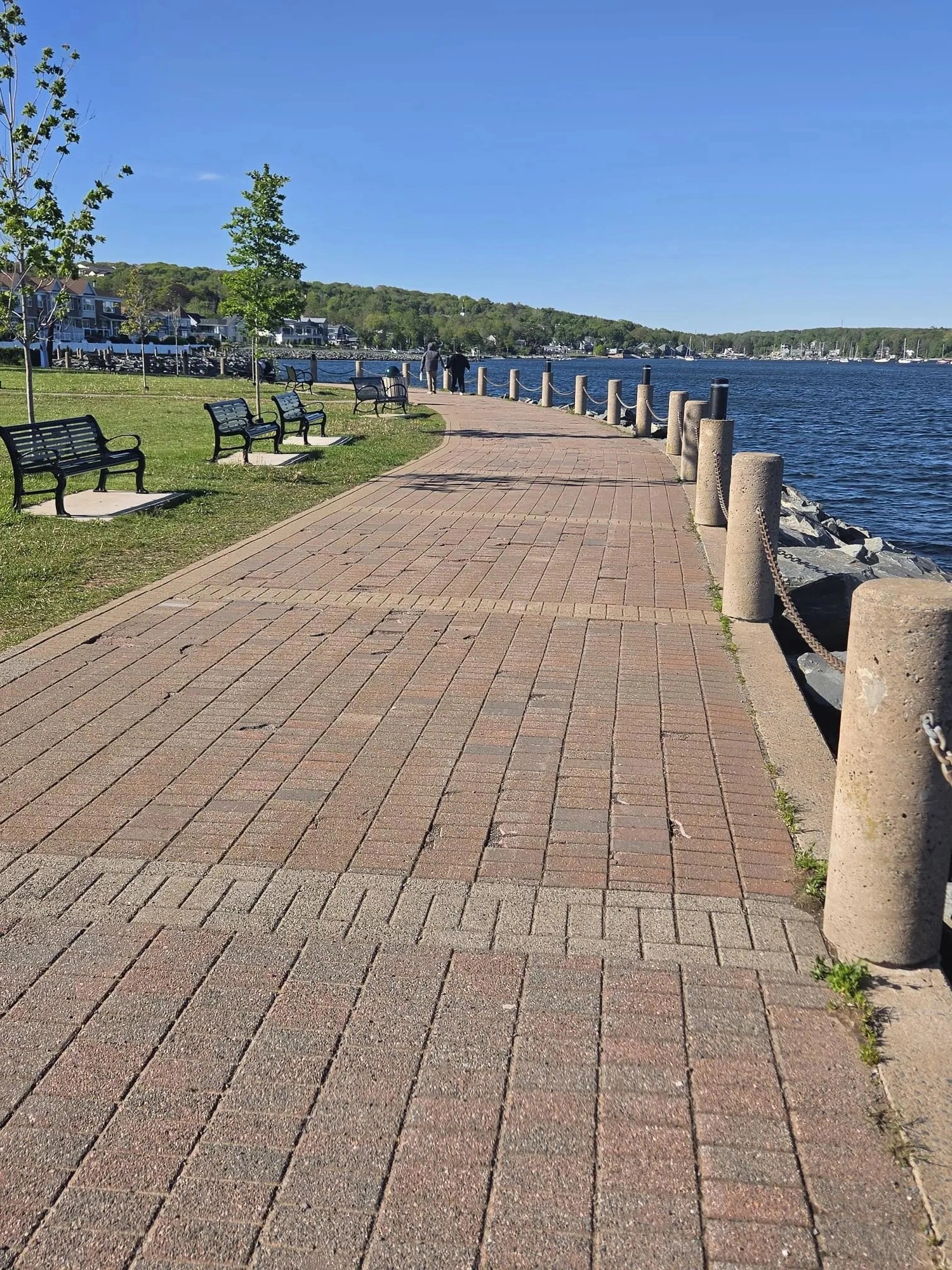
Halifax isn’t changing—but perception is.
There are places that don’t need to be reinvented to feel different. Instead, they simply ask to be noticed in a new way. Halifax is one of those places.
It’s a city that has always lived between land and sea, shaped by tides, movement, and everyday rhythm. But lately, something subtle has shifted—not in the landscape itself, but in how people are choosing to experience it.
More and more, travel feels less about distance and more about attention.
As priorities shift, familiar places like Halifax begin to feel new again—not because they have changed, but because people are taking the time to experience them differently.
There is a noticeable change in pace when you spend time along the waterfront now. Not dramatic, not obvious—but present.
People linger a little longer. Walk a little slower. Sit without rushing to the next thing.
The harbour continues its steady movement—ferries crossing, boats arriving and leaving—but the experience of watching it feels different when you’re not in a hurry to move past it.
Even the simplest parts of the city begin to hold more weight when they are given time.
Halifax doesn’t need to compete with anywhere else. Its strength has always been in its everyday rhythm.
The waterfront boardwalk, the working harbour, the neighbourhood streets just beyond the downtown core—all of it exists without performance. It isn’t staged for visitors. It simply is.
And that’s part of what makes it feel more present in this moment.
There is growing appreciation for places that don’t demand attention, but reward it.
For a long time, travel was often associated with distance—the idea that meaningful experiences had to be far from home, unfamiliar, or difficult to reach.
That perspective is beginning to shift.
Familiar places are no longer being overlooked. They are being revisited with new intention.
What was once seen as ordinary is now becoming part of a slower, more grounded way of travelling—where the value is not in how far you go, but in how deeply you notice where you are.
This shift is not unique to Halifax, but the city reflects it clearly.
Across many coastal regions and smaller urban centres, there is a quiet return to experiences that feel accessible, unhurried, and connected to place.
Travel is becoming less about accumulation—less about how many places are seen—and more about presence within a place itself.
Halifax doesn’t ask to be redefined.
Instead, it reflects something changing in travel itself: a move toward simplicity, attention, and a deeper appreciation of what is already close.
It reminds us that travel doesn’t always require leaving something behind.
Sometimes it begins with noticing what has been there all along.
This article was inspired by recent travel industry reporting on the growing interest in domestic travel and Canadian destinations in 2026.
Source: https://travelindustrytoday.com/where-travellers-are-headed-this-summer-and-why/
 Charlene Joseph-Dunbar
Sign up for our newsletter to learn about the latest product news and deals. Also receive exclusive offers, contest details and giveaways.